 BrightReachDigi
Email relationships / 4 MIN READ
Plan a welcome sequence without the noise
Plan a modest welcome email sequence around the signup promise, one useful action at a time, clear expectations and a reliable way to unsubscribe.
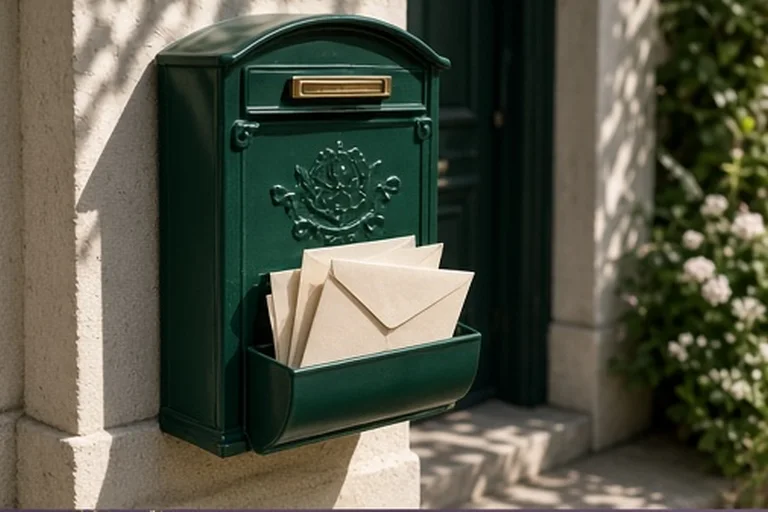
Begin with the promise made at signup
A welcome sequence should help a new subscriber get what they asked for and understand what comes next. Before drafting messages, read the signup form. What did it promise: a resource, a newsletter or product updates? Deliver that first. Do not silently turn a narrow request into an unrelated promotional series. A short useful sequence is better than several messages whose main purpose is to fill a predetermined automation schedule.
Map the first useful action
Decide what would help the reader immediately. It might be opening a requested resource, choosing a topic preference or learning how to use something they already selected. Give the first message one main action. Use descriptive link text and make sure the destination works on a phone.
Avoid pretending a mass email is a personal reply. Use a recognizable sender identity and a subject line that reflects the content. If there is an offer, describe it accurately and state material conditions. Scarcity, urgency and results should never be invented to make a sequence feel more persuasive.
Give each later message a distinct job
Sketch a small progression: deliver the requested material, explain a useful concept, then point to a relevant next resource or genuine offer. These are editorial roles, not a required number of messages. Some audiences need only a single welcome email followed by the newsletter they expected.
Choose timing based on what the reader needs to do between messages. Do not send another reminder simply because a dashboard reports no open; open measurement can be affected by privacy features and automated activity. Respect clicks, replies and preferences without treating any one signal as a complete account of interest.
Make the reading experience straightforward
Use a clear hierarchy, short paragraphs and a button or link that is easy to activate. Provide useful alternative text for meaningful images and do not put the entire message inside one large image. Check the plain-text version and the experience when images are blocked. The basic promise should still be understandable.
Test links, personalization fallbacks and the unsubscribe path before enabling the sequence. A missing first name should not create an awkward greeting. If a resource requires an account, explain that before the reader follows the link rather than presenting an unexpected barrier after the click.
Respect permission and commercial email rules
Keep a record of what the subscriber agreed to and when. Permission-based collection is a practical trust standard even where a particular law sets a different minimum. For US commercial email, review current CAN-SPAM requirements, including accurate sender information, nondeceptive subjects, required identification and postal address, and a working opt-out process.
Do not copy another sender's footer and assume it fits your situation. A valid physical postal address for your own business is required in applicable commercial messages; a fabricated location is not an alternative. Seek qualified advice when your audience or business model creates legal uncertainty.
Measure usefulness rather than just opens
Choose a small set of outcomes connected to the sequence's purpose. A resource download, a preference selection or a relevant site action may be more informative than an open rate alone. Watch unsubscribes and complaints as signals that expectations or message frequency may be wrong.
Review the actual emails alongside the data. If many readers click but cannot complete the destination task, the landing page may be the issue. If subscribers leave after the first promotion, re-read the signup promise before rewriting every subject line. Keep experiments small enough that you can explain what changed.
A practical exercise
Send the draft sequence only to your own authorized test inboxes, not to subscribers, while reviewing it. Read each message as if you had just signed up and write down the promise it fulfills. Check that each destination loads and the unsubscribe mechanism works in the sending platform. If a message has no useful role, remove it rather than finding a new subject line for it. Record the final sequence and its signup wording together so they remain aligned.
Welcome sequence questions
How many emails are necessary? There is no universal count; use only messages with a distinct useful role.
Can a contact inquiry become a newsletter subscription? Do not assume so. Keep inquiry handling separate from optional marketing permission.
What should I test first? Confirm the requested resource arrives, links work and a subscriber can leave easily. Those basics matter before clever automation.
Reference & perspective
For primary documentation relevant to this topic: FTC guidance on commercial email. Platform settings and requirements may change. Examples are illustrative, and guidance is general rather than individual advice.
Suggest a correctionKEEP THE IDEAS CONNECTED
A sensible next read.

Build an email list people understand
Build a permission-based email workflow with a clear signup promise, useful consent records, sensible list hygiene and separation from contact inquiries.
Read the guide : Build an email list people understand
Plan one focused paid search campaign
Map a first paid search campaign from a clear objective to search themes, landing-page fit, measurement checks and a bounded learning budget before launch.
Read the guide : Plan one focused paid search campaign
Search intent before a keyword list
Learn to turn search intent into a practical page plan, group related questions, choose useful formats and avoid competing pages on the same topic.
Read the guide : Search intent before a keyword list